Day 2
Tuesday, September 22, 2026 , Sheraton Grand Tbilisi Metechi Palace
The President of Georgia- Mr. Mikheil Kavelashvili
GNERC Chairman- Mr. Davit Narmania
First Deputy Chairperson of the Parliament of Georgia- Mr.George Volski
Deputy Minister of Economy and Sustainable Development- Ms. Inga Pkhaladze
ICER Chair- Mr. David Morton
Perspectives from Regulators
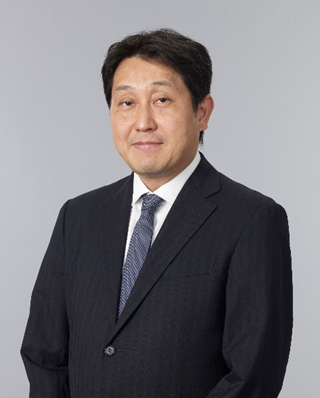
This plenary session will examine the interconnected challenges of energy security, affordability, and decarbonisation. Representatives from diverse global regions will share strategic insights on balancing national/regional priorities with international commitments in a world of geopolitical uncertainties and fostering alignment on energy transition needs.



, President.jpg)

Just Transition: Ensuring Equity and Inclusion in Energy Reform
The Sustainable Development Goals (SDGs) were adopted by the United Nations in 2015 as a universal call to end poverty, protect the planet and ensure that by 2030 all people enjoy peace and prosperity.
The panel builds on Goal 7 and its targets, towards access to affordable and clean energy. The goal is to achieve universal access to electricity from sustainable and reliable sources by 2030, while energy is affordable. This same objective is also included: access to clean cooking.




Independent regulators as key decision makers of the energy transition
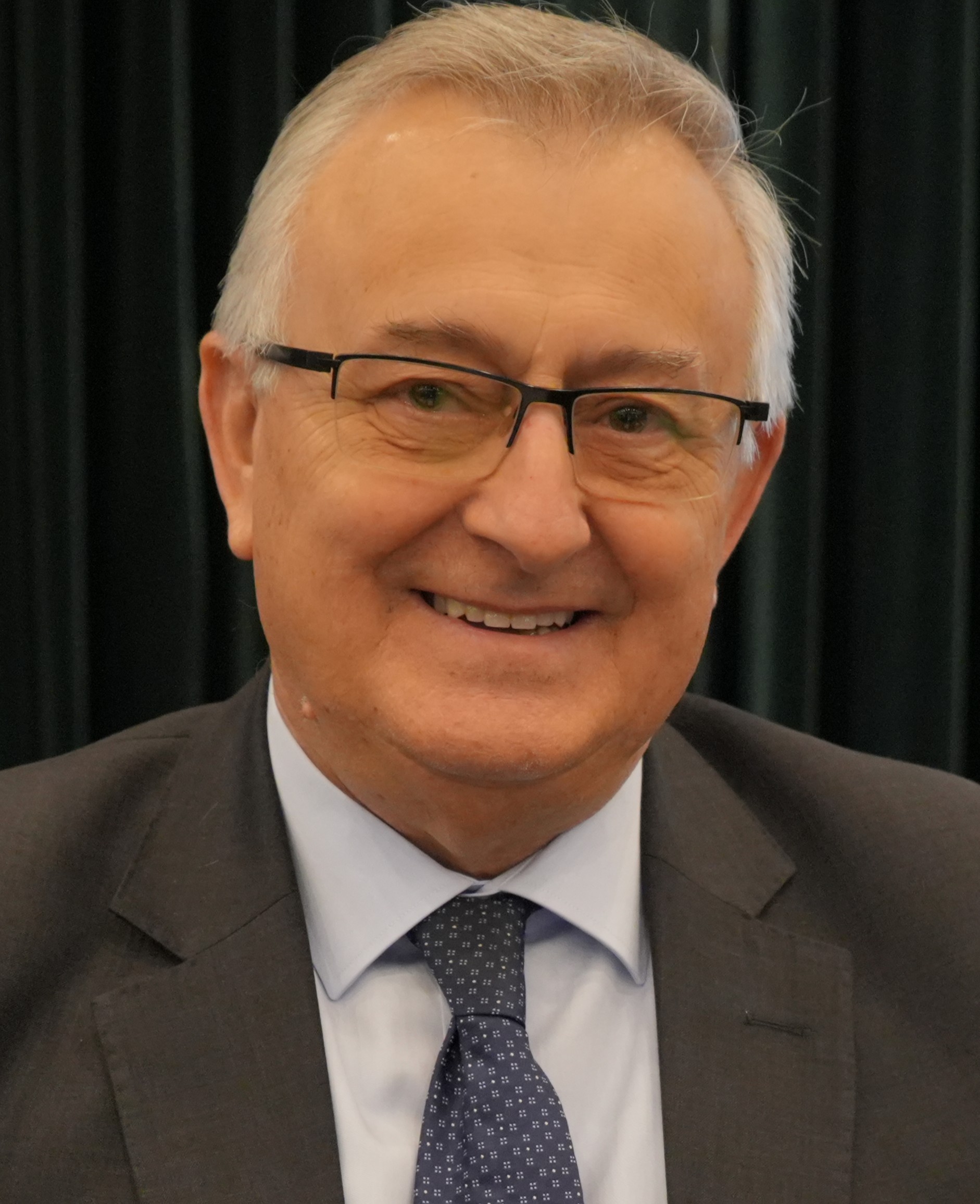
This concurrent session will delve into the evolving and critical role of the independent regulator as the major actor of a credible energy transition. Moving beyond traditional oversight, regulators are now active decision-makers in grid modernization, market design for renewables and flexibility, and ensuring a just transition.



Best Practices in Consumer Protection
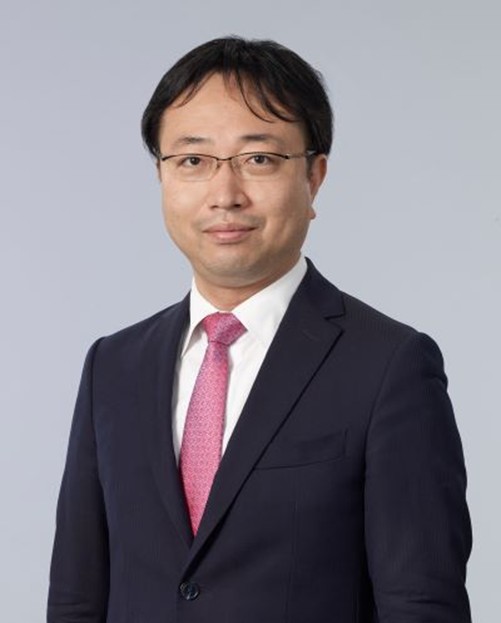
This concurrent session will share successful consumer protection practices implemented by regulatory authorities across countries and regions. Electricity prices have become increasingly volatile due to factors such as the surge in electricity costs following the 2021 global gas price spike and the accelerated adoption of renewable energy

, Member of the Board.jpg)
, President.png)

Regional Energy Integration – Vision and Barriers (Regional cooperation among regulatory authorities)
Regional energy integration is a key pathway for enhancing energy security, expanding access, and accelerating the transition to cleaner energy sources. By linking national grids, connecting markets, and enabling the cross-border flow of electricity, gas and other energy sources, regional integration allows countries to achieve more affordable energy, reducing supply and price risks.





Network reliability in a world of increasing climate change
This Panel is dedicated to the topic of ensuring network reliability in a world of increasing climate change.




, President and Chief Executive Officer.jpg)
The impact of AI on energy systems
This panel is dedicated to the topic of the impact of Artificial Intelligence (AI) on energy systems and energy regulation. AI is becoming an essential tool in energy transition. It’s use in accelerating innovation and improving reliability and energy efficiency is at the forefront of research and debate in the world of energy regulation.